
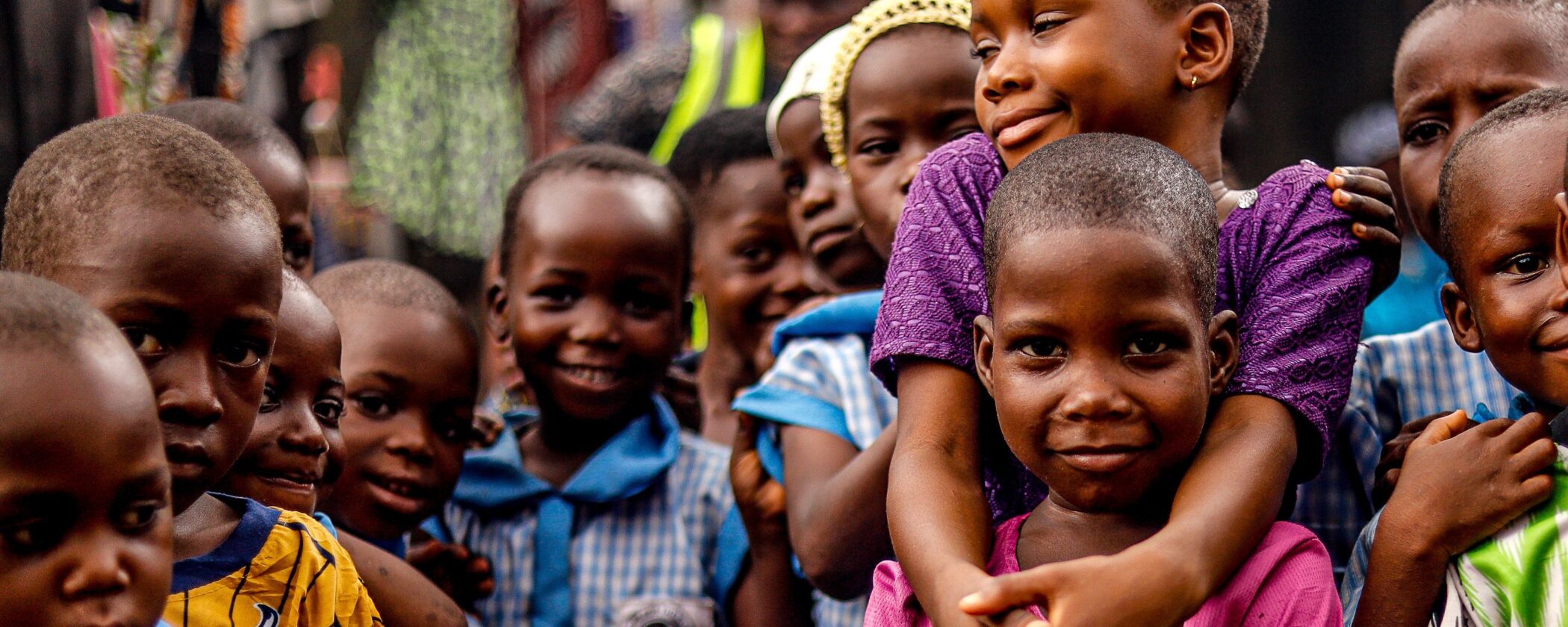
Recently, several stories of Cameroonian children who have been abused emerged in African and international news. We sat in conversation with Berinyuy Naomi Kibula, KCS’s Africa Programme Manager and Co-Founder of Youth Ignite Cameroon, to unpack the emotions that these stories provoke, discuss the context of child abuse and propose actions to protect all children.
‘The crisis of sexual violence against children is not new, but too many societies have become dangerously comfortable ignoring it. In Cameroon specifically, the situation is compounded by conflict, displacement and institutional fragility. UNICEF has noted that children in humanitarian settings, including those affected by the ongoing crisis in the Northwest and Southwest regions of Cameroon, face heightened risks of sexual exploitation and abuse, with girls being disproportionately affected’ Kibula explained.
Studies by the World Health Organisation (WHO) also demonstrate these realities: approximately one in five women and one in 13 men report having experienced sexual abuse as a child (WHO, 2020). ‘These are not just numbers. Behind every statistic is a child whose life has been impacted permanently by the actions of adults who should have protected them,’ she added.
The abuse and neglect of children does not only damage individuals; research has shown that adverse childhood experiences, including sexual abuse, are strongly associated with long-term outcomes including poor mental health, substance dependency, limited educational attainment and reduced economic productivity in adulthood.
As Kibula stated: ‘When we fail to protect children, we are also compromising the future of entire communities and nations. If there is a way to destroy a generation, it is this: let abuse go unchallenged, unnamed and unpunished. Let silence become the norm and shame fall on the victim instead of the perpetrator. Do this consistently and within a generation, you will have built a society fractured from the inside. This is not a metaphor, but a documented trajectory.’
After learning about these cases, Kibula felt overwhelmed: ‘Stories of abuse like the ones emerging at this time should break something in all of us. Because when we stop being disturbed by the suffering of children, we have lost something irreplaceable in our character as individuals and as a society. What is going on in Cameroon this week shows that we are at a crossroads. It is a question for every level of society.’ As a safeguarding practitioner, Kibula knows that emotion, however genuine, must be translated into action. In her years of work, she has seen how child abuse happens in spaces where oversight is absent, accountability is weak and victims are silenced. So, she asked: ‘What are we doing at every level to protect our children?’
‘When it comes to families and caregivers, research consistently shows that children who have open, trusting relationships with caregivers are more likely to disclose abuse early and early disclosure is one of the most critical factors in reducing long-term harm.’ Kibula stated. It is also important to consider how community norms and traditional practices remain one of the biggest barriers to reporting child sexual abuse. When communities and traditional leaders do not take action against perpetrators in the name of family honour or social harmony, they become environments where abuse is ‘permitted’ to continue.’
The issues around child safeguarding also pertains to Governments, institutions and organisations working with and for children, she added, ‘Cameroon’s Penal Code criminalises sexual offences against children, but legislation without enforcement is merely paper. The African Committee of Experts on the Rights and Welfare of the Child has repeatedly called on member states to strengthen child protection systems, invest in social welfare infrastructure and ensure that perpetrators face meaningful judicial consequences.’
As the Keeping Children Safe (KCS) International Child Safeguarding Standards state: child safeguarding is not an optional add-on to programming, it is a foundational requirement for every organisation that works with or for children, as they have a duty of care, which must be operationalised through policy, training, accountability mechanisms and a culture where concerns can be raised without fear.
Unfortunately, in some contexts ‘safeguarding’ becomes a word used to demonstrate a box ticked. Kibula expressed: ‘The KCS International Child Safeguarding Standards define safeguarding as encompassing prevention, reporting, response and a culture of safety. All four elements must be present and functioning for a safeguarding framework to be effective. In the context of what is happening in Cameroon right now, this framework matters more than ever. Children who are being abused need systems they can trust. They need to know that what happened was not their fault, that their silence was not weakness and that they deserve protection.’
Urging to move into action, she added: ‘We must advocate for stronger child protection legislation and its enforcement. We must invest in training frontline workers, hold organisations accountable and change the cultural narratives that silence victims and protect perpetrators. We must talk to our children – openly, honestly and often. And we must refuse to let this moment pass as just another week of disturbing headlines.’
Child safeguarding must be applied in practical ways. It is not enough to have a reporting line if no one is trained to use it, or write a code of conduct if the culture of the organisation retaliates against those who speak up. Effective child safeguarding policies and training manifest in daily work in several ways, such as:
- A teacher who notices that a child has withdrawn and knows how to ask the right questions gently and safely
- A community health worker who understands what grooming behaviour looks like and knows exactly who to call
- A programme manager who creates an environment where staff can raise concerns without fear of retaliation
- A leader who, when an allegation is made, prioritises the child’s safety above the organisation’s image.
KCS offers a wide range of free resources, tools and microlearning modules to help navigate child safeguarding, from where to start and how to assess an organisation’s child safeguarding practices to understanding child safeguarding risks in emergencies and more. ‘To anyone in doubt, I suggest using the International Child Safeguarding Standards, they show the path to proactive involvement into children safety,’ Kibula concluded.
Keeping Children Safe is an international not-for-profit organisation solely focused on ending child abuse and exploitation in organisations. In the past two decades, KCS has impacted the life of over 153M children worldwide, including training and supporting over 40K practitioners and making 24K organisations safer for children in 186 countries and territories, through its work and advocacy.